Self-Reflection Assessment
When I look back at the work I produced this semester, I see more than a collection of assignments. I see a record of how my thinking, confidence, and voice evolved. At the beginning of the course, writing felt like something distant from me, something I had to complete rather than something I could shape. But as the weeks passed, each free write, essay, and reading pushed me to understand writing not as a task, but as a process of discovery. My portfolio tells the story of how I learned to think critically, write with intention, and express myself with clarity and authenticity. This self‑assessment serves as the introduction to that story, tracing my growth from hesitant early attempts to more confident, analytical, and rhetorically aware of writing.
My growth began with the free writes, which acted like snapshots of my mindset at different points in the semester. In my first free write about books, I admitted, “No book has ever captured my attention… I am also a more hands‑on person.” That line reveals how disconnected I felt from reading and writing at the start. But the second free write illuminated my sensory description of a Japanese restaurant, revealing my first spark of voice. I wrote about the food “melting in my mouth,” demonstrating that I could write vividly when I cared about the topic. My third free write was about social media, illustrating a shift toward rhetorical awareness as I reflected on how platforms shape communication. This connects directly to Ann Amicucci’s argument that writers constantly make rhetorical choices, even online. Her idea that “nothing you write exists in a vacuum” helped me understand why my reflections on social media mattered, showing I was thinking about audience and purpose. By the fourth free write, I brainstormed ideas about Aladdin and identity, thinking more critically. I started writing lines like, “People now tend to lose themselves when they try to fit into the norms of society.” This shift from personal reflection to cultural analysis mirrors what Gita DasBender describes in “Critical Thinking in College Writing,” where she explains that academic writing grows from personal insight into broader, more universal ideas. Together, the free writes reveal a clear trajectory: I moved from uncertainty to curiosity, from simple description to deeper questioning, and from writing for myself to writing with an audience and purpose in mind.
The major essays built upon this foundation, pushing my growth even further. My literacy narrative was the first moment where I used storytelling to explore identity, describing how reading Aladdin with my significant other shaped my understanding of literacy. This essay taught me how to structure a narrative and how to use personal experience to make a point. The exploratory essay challenged me to analyze a trope in Cinderella using scholarly sources. At first, I struggled with integrating evidence, sometimes dropping quotes into paragraphs without fully connecting them to my argument. But DasBender’s emphasis on asking why writers make certain choices helped me revise my approach. I began to see that analysis is not just explaining what a text says but exploring why it matters. This skill became essential in my final research essay, “Agrabah Online: Authenticity and Identity.” In that piece, I synthesized multiple sources to argue that Aladdin reflects the tension between authenticity and societal expectations. I introduced sources with context, connected them to my claims, and explained their significance, something I could not have done at the start of the semester. Kyle Chayka’s “A.I. Is Homogenizing Our Thoughts” also shaped my thinking through warnings against generic, pattern‑based writing. His point that AI pushes writers toward “average everything everywhere all at once” reminded me to avoid formulaic structure and instead develop my own voice. By the time I completed the research essay, I learned how to craft a clear argument, integrate evidence smoothly, and write with both confidence and intention. The progression from narrative to analysis to research shows how each essay built on the last, strengthening my ability to think critically, write clearly, and communicate ideas with purpose.
Together, the free writes, essays, and readings reveal a semester‑long journey of growth. I learned how to move from personal reflection to academic analysis, how to shape my writing for specific audiences, and how to use evidence to support my ideas. I also learned how to revise effectively, rethink my structure, and make choices that strengthen my message. Most importantly, I learned that writing is not about perfection; it is about clarity, authenticity, and the willingness to explore ideas deeply. I began the semester unsure of my voice, but I ended it with a stronger sense of who I am as a writer and what I want my writing to accomplish.
As I close this portfolio, I see not just improvement but transformation. I started as someone who felt disconnected from literacy, and I ended up as a writer capable of crafting thoughtful, structured, and meaningful academic work. I still have areas to improve, especially concision and balancing personal reflection with analysis, but I now understand writing as a process I can trust. This portfolio represents the work that shaped me, the challenges that pushed me, and the growth that defines my semester. It is not just a collection of assignments; it is a record of how I learned to think, write, and express myself with purpose. This growth is something I will carry with me long after this course ends.
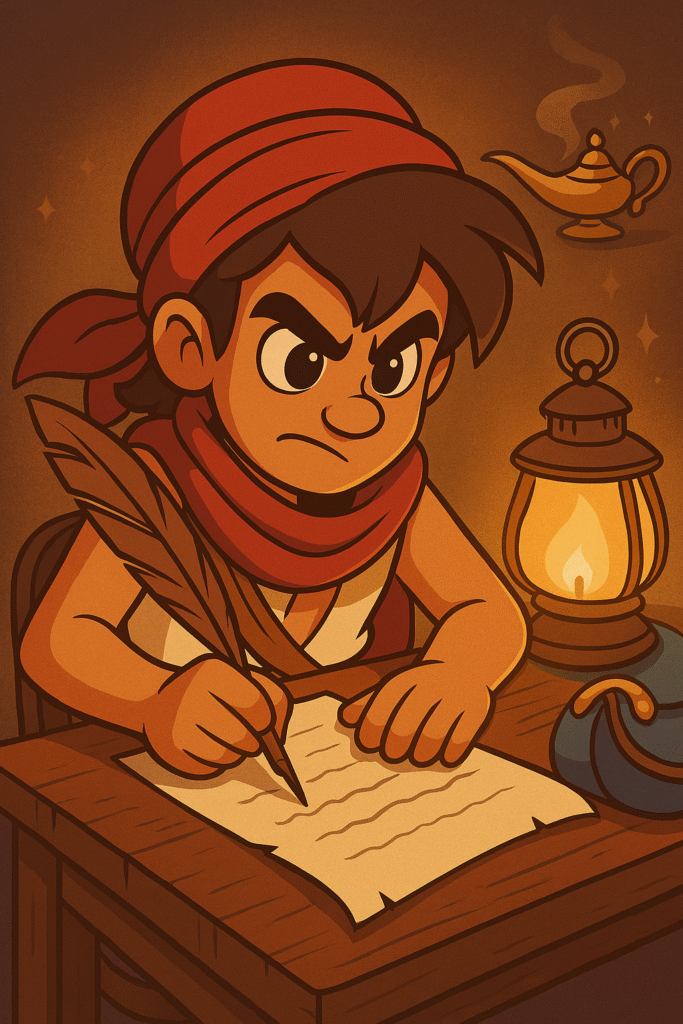
Being resilient in writing

